
Working Full-Time While Studying Civil Engineering at PUP
A breadwinner’s story of full-time BPO work, two internships, and the people who helped me keep going toward March 2027.

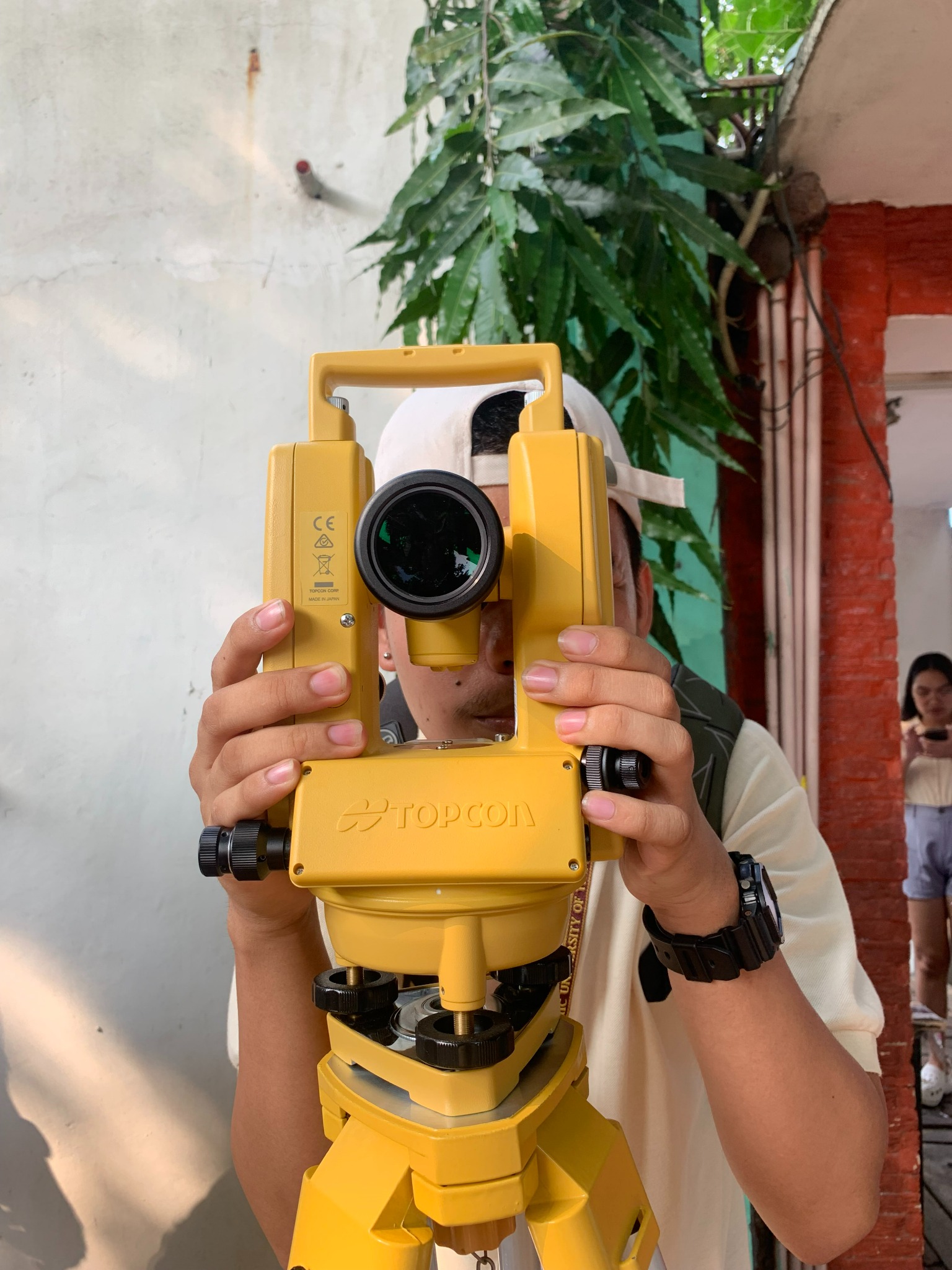
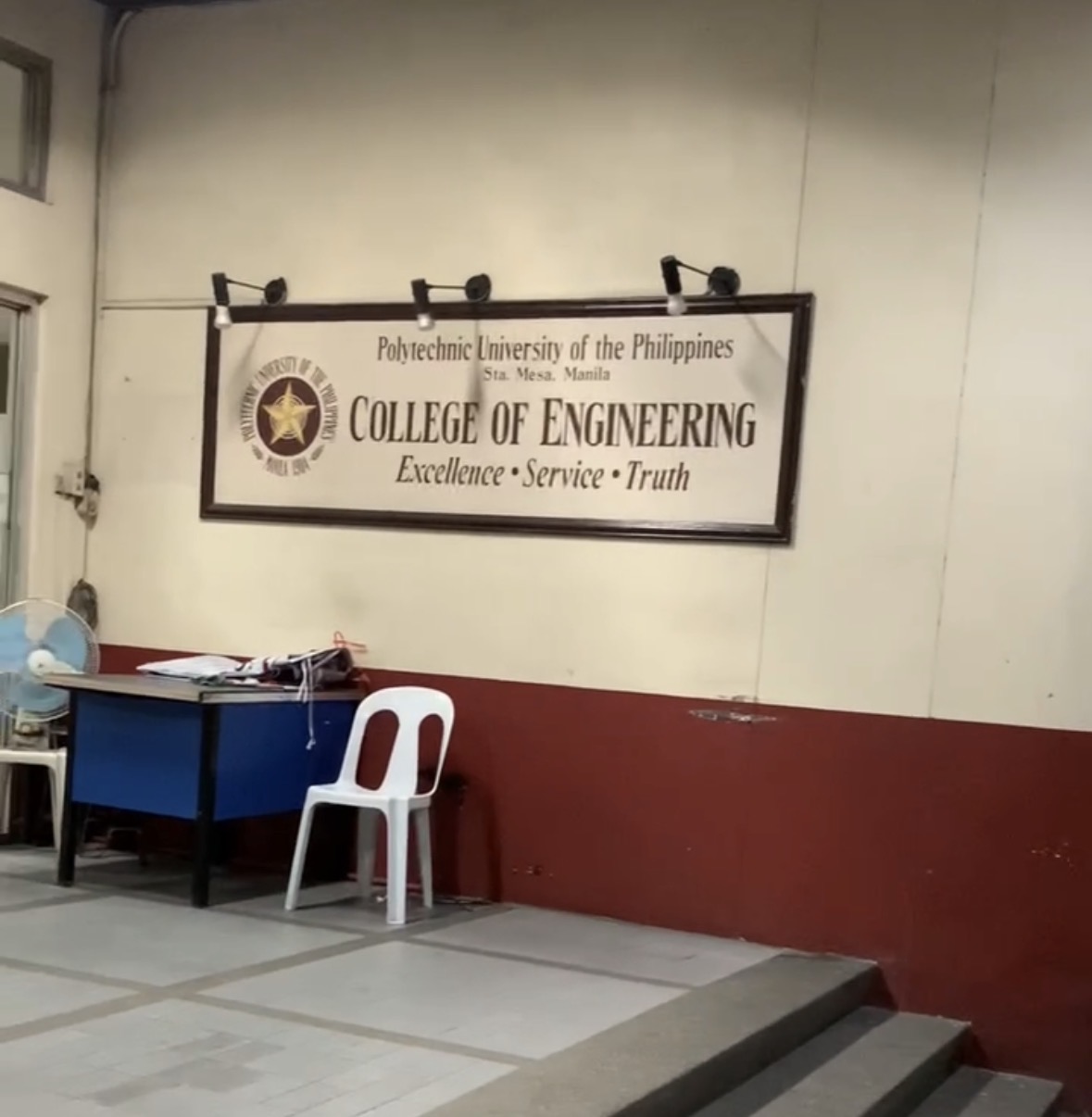
I am hoping to graduate in March 2027. If I reach that goal, I will be finishing a civil engineering journey at the Polytechnic University of the Philippines that has stretched to almost six years. Behind that date are work shifts, unfinished requirements, commutes, and many days when simply showing up took everything I had.
I have been a full-time BPO employee since 2022. I pay my own way through college without financial support from my parents, who are also struggling in Quezon province. I am a breadwinner helping support my two sisters and my family. The income I earn has responsibilities waiting for it before I even think about the next school requirement.
I am still here. Still working. Still studying. Still trying to build a future that gives my family and me more room to breathe.
Working was a necessity
People sometimes speak about working while studying as if it were simply a choice to stay busy. For me, employment is how I keep going. There is no allowance arriving from home that I can fall back on when a semester becomes difficult. My parents have their own problems to survive, and I know what our family is carrying.
That changes the way a student experiences college. A demanding week at school does not cancel a shift. A difficult week at work does not move an academic deadline. Both sides still expect you to deliver, even when the hours they need come from the same exhausted person.
Civil engineering asks for concentration. I need time to understand a problem, work through a computation, prepare a drawing, and contribute properly to a group requirement. It is painful to care about doing those things well and still feel that I am running out of time and energy.
There have been moments when I wished explaining my situation would make the pressure lighter. It has not always worked that way.
“Working student po kasi ako, sir”
I remember trying to explain my circumstances and hearing responses like this:
“Working student po kasi ako, sir. Pasensya na.”
“Oh? Bakit ka nag-enroll tapos magtatrabaho ka pala!”
I was trying to explain why I was struggling. A reply like that can make you feel that needing an income has somehow made you less deserving of an education.
In my experience, studying at PUP while holding a full-time job has been difficult. After COVID, some of my classes used a hybrid setup: some meetings were face to face, and others were online. That arrangement helped make parts of my schedule possible. It still required a lot of coordination, especially when I had to attend campus, work, and commute within the same day.
Hybrid classes did not mean that the academic expectations became easier. I still had to learn the material and finish the work. A class I could attend remotely could still leave me tired, behind on requirements, or trying to concentrate after a demanding shift.
These are my experiences in my classes, not a description of every teacher or every working student at PUP. There were times when I felt very little understanding for my circumstances. Those moments hurt, and I want to be honest about them.
Two summers when the load became heavier
One of the hardest parts of my curriculum was completing two internships: one in the summer after second year and another after third year. Each required around 300 hours. Those placements mattered to my engineering education, but I also had a full-time job to keep.
During those periods, some days felt like being awake and responsible for something for around 18 hours. Then there was the preparation, the trip to the internship, the trip back, and the traffic. A schedule can look possible when you write down only the official work and internship hours. Your body experiences everything in between, too.
The EDCOP and Sariaya engineering placements gave me opportunities to connect what I was learning with actual engineering work. I value that experience. I also remember how physically demanding it was to fit those hours around earning a living.
Puyat was real. The fatigue was real. I could not assume that either school or work would reduce its expectations just because the other part of my life had become heavier. I had to keep looking for a way through, while learning that my own limits deserved attention.
My body is my puhunan
When people ask how I survive this arrangement, time management is part of my answer. Taking care of myself belongs in that answer just as much.
Katawan ko ang puhunan ko. My body is what I rely on to earn, study, commute, and support the people who depend on me. I try to eat properly, make time for exercise, and protect enough sleep and rest. I do not want saving a little money today to mean neglecting the person who has to keep everything moving tomorrow.
Food and vitamins are part of how I think about caring for myself, but I do not treat vitamins as a replacement for meals or sleep. The habit I want to protect is giving myself the care and recovery I need. During the hardest periods, that has been a goal I have had to work at, rather than something I have always managed perfectly.
I have also become more selective about where my time goes. Academics, work, family responsibilities, and rest already take a great deal. I cannot say yes to every extra activity. Sometimes keeping my focus means accepting that I will miss something so I can meet the commitments already in front of me.
Time management has to include real limits
A useful plan has to include the commute, the meal, the preparation, and the recovery. Otherwise, it describes a day I cannot actually live.
I try to look at the week as a whole: the shifts I need to attend, the classes that require my presence, and the academic work that needs concentration. Then I have to decide what deserves my attention first. There is a difference between having an empty hour on paper and having enough energy to use that hour well.
A good circle of friends helps me stay connected to college when work takes so much of my attention. Being able to talk honestly about a difficult week makes it easier to keep going. I still have to do my part, but I do not have to pretend that everything is easy.
To another working student, I would offer a few things I keep learning myself: account for travel time, communicate about conflicts early, protect time to rest, and stay close to people who respect what you are trying to do. A plan should help you see when the load is too heavy, as well as help you finish it.
The people who made college bearable
Paying for my education without money from my parents has required a great deal of independence. I also owe a great deal to the people who gave me understanding and encouragement.
To my first boss, Boss Tine — Christine Magadan: thank you. Having someone at work who understands that you are also trying to finish a degree can make an enormous difference. I remember that kindness.
To my favorite workplace mommies, especially Mamshi Jinggay — Jinggay Callanga, and to the others at TaskUs Ortigas: I love you all. Thank you for making my college days more bearable, even when I could not always be at my fullest. Your understanding mattered during a period when so many things were asking for more of me.
To my friends, especially Timothy, Abby, Ara, and many others: thank you for being part of the circle that helped me keep going. I carry that gratitude with me.
To my family in Quezon, including my two sisters: you are a large part of why I continue. I know our parents are struggling too. I want the work I am putting in now to open more possibilities for all of us.
A subject can be retaken. My life cannot.
There is something I believe strongly: it is better to fail a class than to lose my life trying to meet every demand at once.
That belief helps me remember what has to come first when the pressure becomes too much. A delayed graduation or a subject that needs another attempt can be painful. It does not make my life less valuable. I want to finish this degree and still have the health and strength to live the future I am working for.
I want to reach graduation with a future left to enjoy. Rest, a slower pace, or another attempt can be part of getting there.
I care deeply about my education. I also have to care about the person earning it. Being responsible for my family makes protecting myself more necessary, even when I feel guilty about slowing down.
Still working toward March 2027
As I write this in September 2026, March 2027 is my graduation goal. I have not reached that finish line yet. There is still work to do, and I want to be honest about where I am.
When that day comes, I will know what it took: full-time work since 2022, supporting my family, two summer internships, difficult classes, and the effort of returning after days that felt overwhelming. Almost six years will carry more meaning than a number on a timeline.
For now, I am proud that I have kept going. I am proud that I am helping my family while continuing an education I have had to support myself. I am grateful for every person who made that effort a little less lonely.
If you are a working student carrying something similar, I hope you give yourself credit for the work that other people never see. Your timetable may look different. You still deserve a future, and you deserve to reach it alive and well.
Para sa pangarap. Para sa pamilya. At para rin sa sarili ko.
A personal account by Gerald Apostol, written in September 2026. Class arrangements and internship requirements describe my own experience; March 2027 remains my graduation goal. Photos are from my personal collection.
Every working student carries a story.
If this sounds familiar, I’d be glad to hear what has helped you keep going.