
How Taiwan Changed the Way I See Transportation Engineering
Five days with my girlfriend in Taiwan made me rethink the trains, buses and everyday connections we need in the Philippines.

My girlfriend and I travelled to Taiwan from February 7 to 11, 2026. I expected to enjoy the trip. I did not expect its trains and buses to become one of the things I would keep thinking about after coming home.
With my civil engineering background, I already had reasons to notice stations, roads and structures. In Taipei, I started paying closer attention to how those pieces worked together. Getting around felt organised and understandable, even in a place where I could not read much of the Chinese around me.
That experience changed the questions I ask about transportation engineering. How easily can someone find the right entrance? What happens when they leave a train and need a bus? How much uncertainty does the system ask a passenger to carry?
Seeing the whole journey
My interest in engineering has often centred on what we build: a sound structure, an accurate drawing, a workable construction plan. This trip gave me a stronger appreciation for what happens once people start using those projects every day.
A station can be impressive on its own. Its usefulness also depends on the route to its entrance, the information inside it and the onward journey outside it. I began to see each of those details as part of the same engineering responsibility.
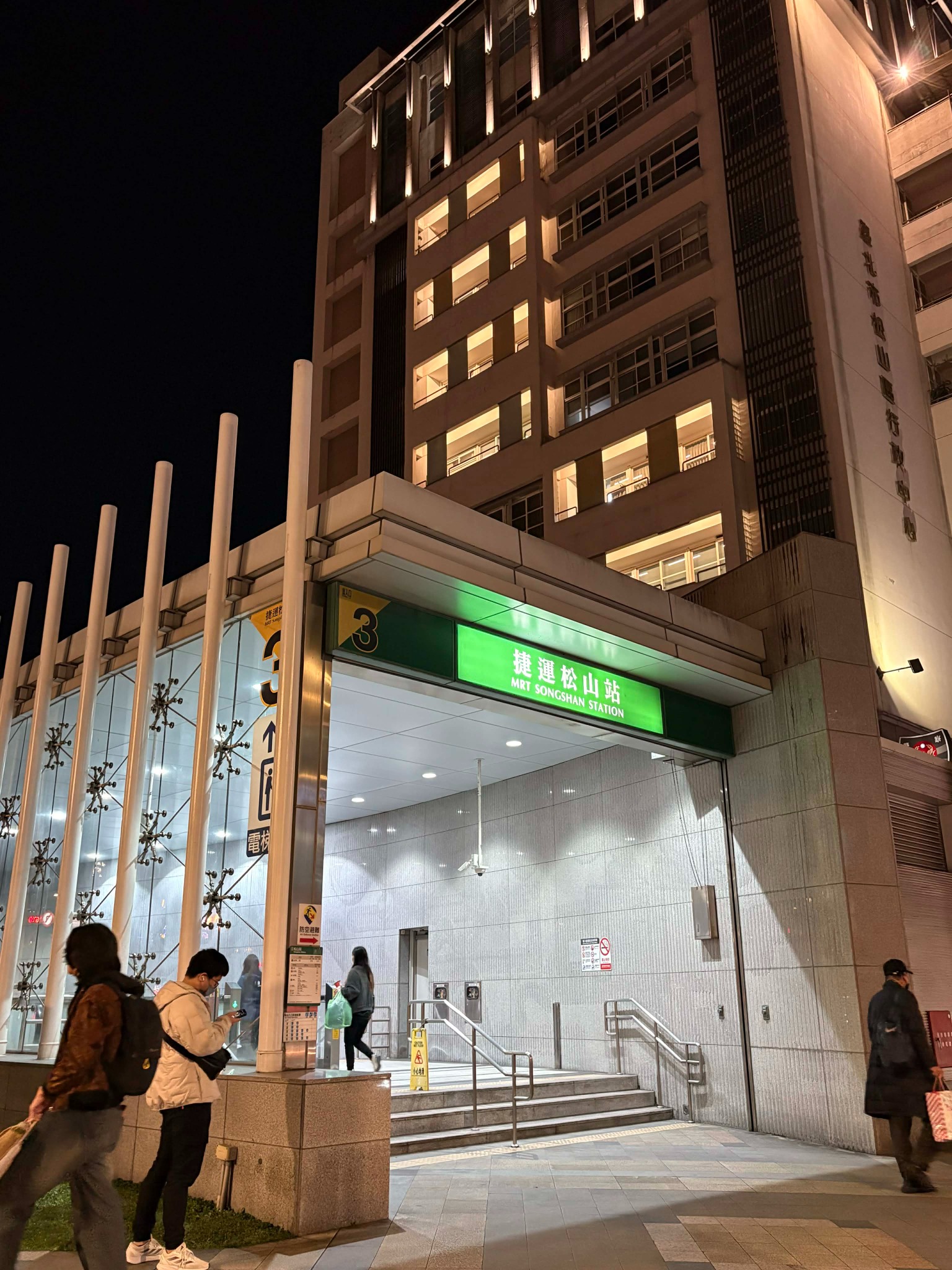
Looking at my photograph of Songshan MRT Station, the illuminated station name and large exit number stand out. They are simple pieces of information, but they give a visitor something definite to recognise. In an unfamiliar city, that reassurance matters.
I came home thinking more about the person making the journey, and how engineering can make their next step easier.
A different language, but a readable system
One of my biggest surprises was how manageable navigation felt. Chinese was everywhere, yet there were also English station names, numbers, symbols and maps that helped me make sense of the places we were moving through.
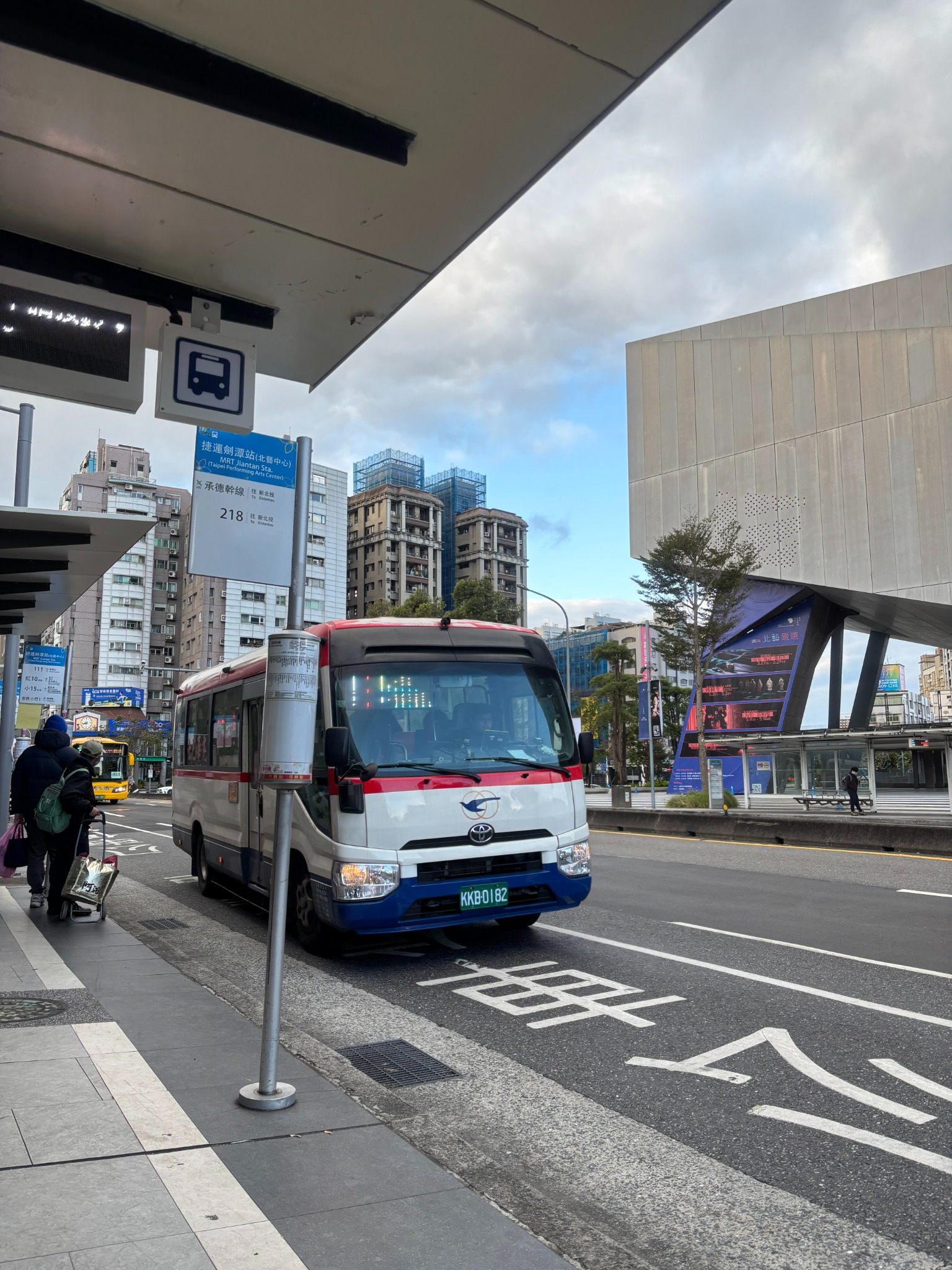
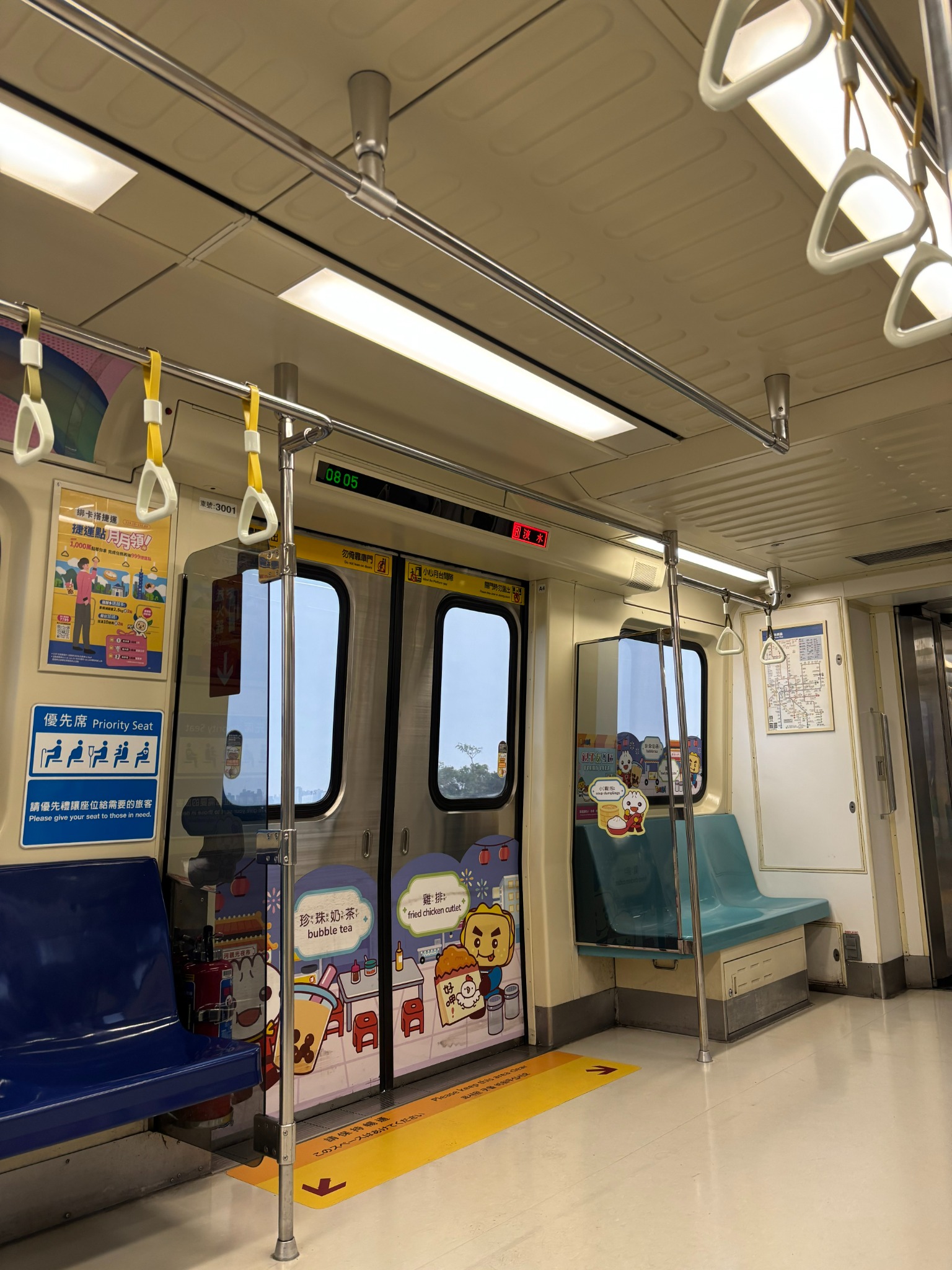
The photos capture this well. The Songshan entrance has its name in Chinese and English. The bus stop sign near Jiantan identifies the MRT station in English, alongside route information. Inside the train, the priority-seat sign uses both words and pictograms.
I could connect those clues without understanding every sentence. That made me appreciate wayfinding as a practical part of engineering: giving people clear information at the moment they need to decide where to go.
It also made me think about passengers beyond tourists. A first-time commuter, an older person or someone travelling with luggage can benefit from the same clarity. A system becomes more welcoming when it helps people work things out for themselves.
A network that felt connected
What impressed me was the sense that the trains, buses, stations and streets belonged to a journey I could understand. From a passenger’s point of view, the network felt coordinated. I spent less energy worrying about how to navigate it and had more room to enjoy travelling with my girlfriend.
When I describe that experience as “centralised,” I mean the coherence I felt as a user. I am describing the routes we experienced, especially around Taipei, rather than claiming that every service across Taiwan has one operator or works equally well.
The bus-stop photograph is a useful reminder of the connection between rail and street transport. A marked waiting place, a recognisable stop sign and route information can make the next stage of a trip easier to understand. Those details deserve attention alongside the larger infrastructure.
Thinking about commuting in the Philippines
I could not help comparing that feeling with the hassle I associate with commuting back home. A journey can require several separate decisions: finding a pickup point, checking which service goes where, working out a transfer and allowing extra time because the next stage is uncertain.
The tiring part can begin before the ride itself. Even when vehicles are available, the passenger may still have to piece together the journey. Taiwan made that effort more noticeable to me because getting around during our visit felt so much easier.
This is a personal comparison, not a ranking of every route in either country. A five-day holiday also differs from a daily commute. I did not experience every rush hour, neighbourhood or service disruption. Still, the difference I felt was strong enough to change what I want from transport planning at home.
| Part of the journey | What stood out in Taipei | What I want more of at home |
|---|---|---|
| Finding the way | Recognisable station names, signs, numbers and symbols. | Clear directions that help an unfamiliar passenger choose their next step. |
| Changing services | A journey that felt connected across trains, buses and walking. | Transfers planned around the person making the connection. |
| Waiting and boarding | Places and information that made the process feel organised. | Waiting areas and boarding points that are easy to identify and use. |
| Planning a day | Less uncertainty about navigating the routes we used. | A commute that demands less guesswork and mental effort. |
I want that improvement for people who need to get to school, reach a shift on time or return home with some energy left. The comparison matters to me because it shows a more comfortable everyday experience that I would like Filipinos to have.
What changed in my engineering thinking
I now want to judge a transport project across the whole journey. I would ask where a passenger starts walking, how they identify the correct entrance, how they understand a transfer and what happens between the final stop and their destination.
I would also pay closer attention to who might find a design difficult. A route that feels straightforward to a familiar, able-bodied commuter may feel very different to someone using a mobility aid or carrying a child. My trip did not give me a complete accessibility assessment, but it made me want to ask better questions.
My construction engineering and management interests fit into this. The quality of a passenger’s experience depends on coordination between design, construction, operations and maintenance. A thoughtful drawing has to become a usable place, and that place has to remain usable over time.
For future work, I want to look beyond whether each individual component meets its purpose. I want to understand whether the connections between them help people complete the trip. Those connections can be easy to overlook when teams focus only on their own part of a project.
What I brought home
Our February trip gave me good memories with my girlfriend and a stronger curiosity about transportation engineering. I was amazed by how organised the journeys felt, and by how much that organisation mattered even when the language was unfamiliar.
I came back wanting to learn more about route integration, station access, passenger information and the everyday operation of transport systems. They now feel much closer to the kind of practical engineering I care about.
For me, a meaningful measure of progress is whether a person can make an ordinary journey with less confusion and less stress. That is the lesson from Taiwan I want to carry into the way I study, observe and eventually contribute to projects in the Philippines.
Which part of your commute would you improve first: finding a route, making a transfer, waiting for a ride or walking to the station?
Travel notes and useful references
This essay reflects my trip with my girlfriend on February 7–11, 2026. The photos are from that trip. The comparisons and engineering lessons are my personal observations; they are not a transport performance survey.
For current journey planning, Taipei Metro publishes an official route map and timetable page. The Greater Taipei bus information service provides route and stop information and an English option.
What would make your commute better?
I’d like to hear which transport improvements would make the biggest difference to your day.